image: "/blog/when-hijabi-sticker-books-dont-exist-you-make-them-hero.webp" title: "When Hijabi Sticker Books Don't Exist, You Make Them Yourself" description: "A girl walked into every store looking for hijabi stickers and found nothing. So her family built something better. The real story of Salam Lanterns." date: "2026-05-19" slug: "when-hijabi-sticker-books-dont-exist-you-make-them" category: "Our Story" tags:
- hijabi sticker books
- Muslim girls representation
- modest toys for Muslim kids
- hijabi dolls and stickers
- parenting Muslim daughters
The Shrug
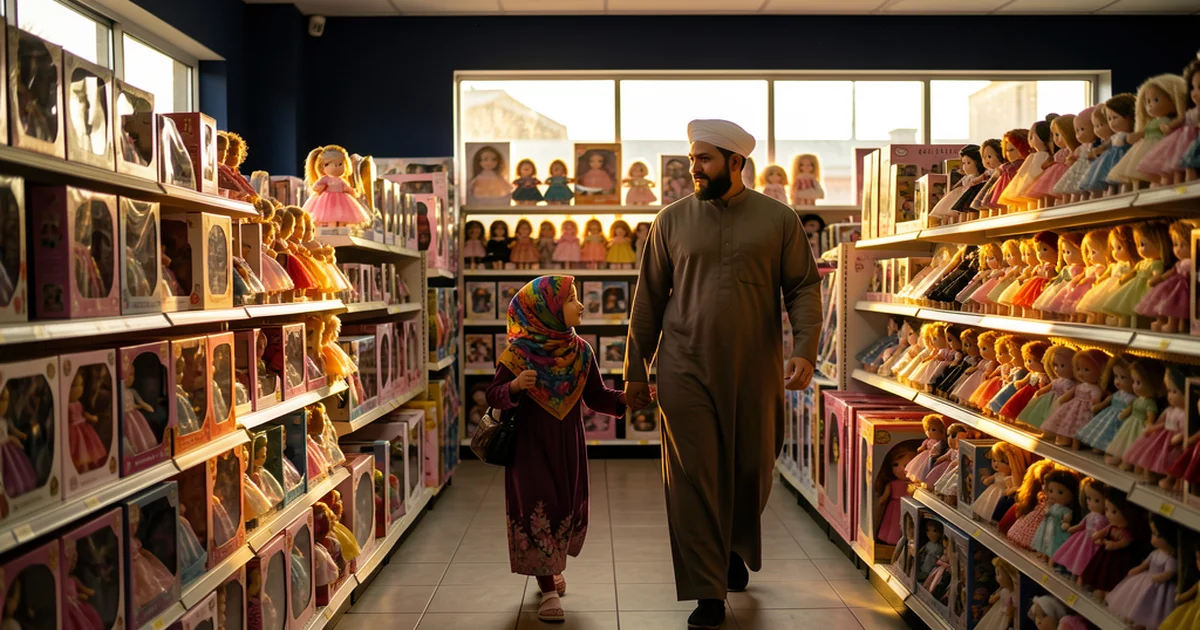
Blair walked into the toy aisle at Target, then Barnes & Noble, then a local craft store. She was looking for sticker books — the kind where you dress up characters and build scenes. Her friends at the masjid would love them as gifts.
She checked the character art on every single one. Hair showing. Short sleeves. Skirts. Dresses. The kind of outfits that just don't match how Muslim girls dress.
She moved to Etsy. Searched "hijab sticker book." "Modest dress up stickers." "Islamic sticker set." Nothing. A few results vaguely related, but nothing that actually looked like her or her friends.
So she told Catherine about it. And Catherine didn't shrug.
She said: "Let's make them ourselves."
The Gap Nobody Talked About
Walk into any major toy store in America and you'll find princesses, mermaids, fashion dolls, sticker books, coloring sets — an overwhelming wall of pink and glitter and bare shoulders. Walk into the Islamic section and you'll find Qurans, prayer mats, and Arabic letter puzzles. Those are important. But where's the fun stuff? Where's the thing a seven-year-old brings to school for show-and-tell?
The industry treats Muslim childhood as something strictly spiritual. You learn your deen, you memorize your surahs, and that's your identity covered. But Muslim kids also want to play pretend, dress up paper characters, and imagine stories where they're the hero — while still looking like themselves.
It's a gap that exists because nobody in a boardroom ever asked. And it took a family — a mom, a dad who'd embraced Islam, and their daughter — to figure out what the entire toy industry missed.
Three Books, One App
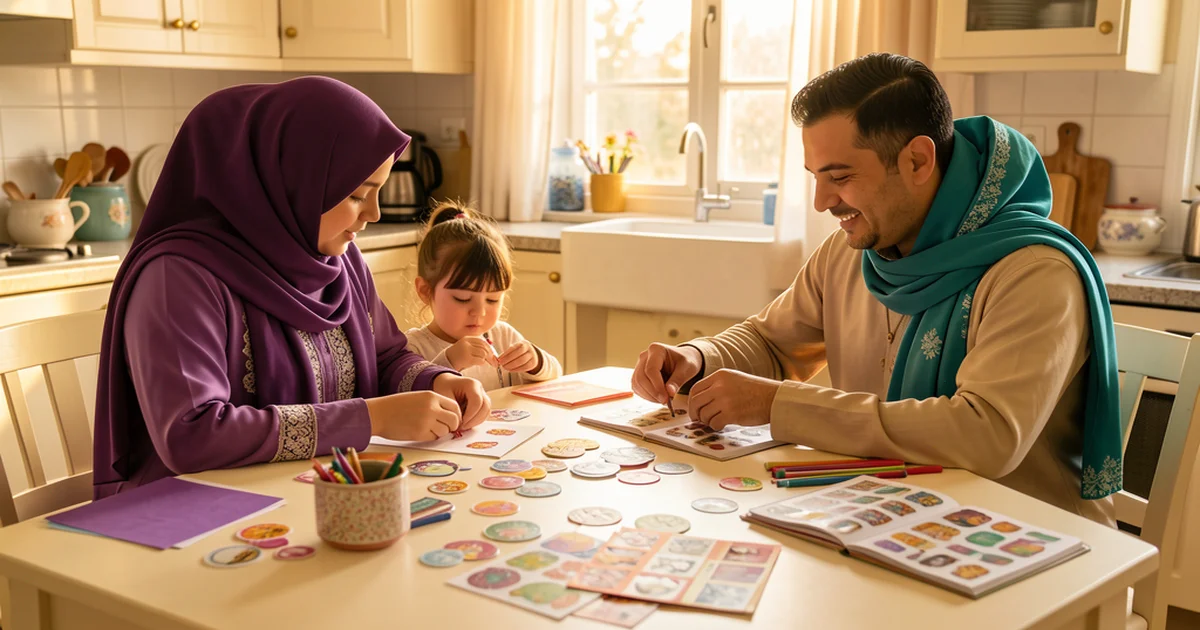
Catherine, Blair, and I got to work. We designed three sticker books, each for a different age group and interest.
Little Hijabi Adventures is for ages 3 and up — 50+ stickers with outdoor and everyday scenes. It's the one a toddler can navigate while her older sister hunts for the perfect outfit combination. Beautiful Hijabi is for ages 5 and up, focused on creating hijabi faces and exploring different styles. And Modest Hijabi Fashion is for the 8+ crowd who actually care about coordinating colors and accessories.
Three books, each $20 to $25, all showing girls who look like the kids who'll play with them.
They also built a mobile app — the Beautiful Hijabi App — for $2.99, one-time purchase, no ads, no subscriptions. It has over 100 digital stickers, face creation tools, and save-and-share features. Because the kids who love these books also spend time on their parents' phones, and they deserve to see themselves there too.
What Representation Actually Costs
Here's the thing nobody mentions about creating representation in a niche market: it's expensive. Small print runs mean higher per-unit costs. You can't order 10,000 copies of a hijabi sticker book because you don't know if they'll sell. So you order 500, and each one costs more to make.
The bundles help. Two books for $35 (save $5). Three books for $55 (save $10, plus free app access). It's not complicated pricing — we wanted it to be straightforward for busy parents who just want to give their kids something that reflects them.
What Happens When You See Yourself
I've been thinking about what Blair did that day in Target. She didn't get angry or write a long Twitter thread about representation. She just noticed the absence. And then she found people who cared enough to fill it.
That's how change actually happens in a market. Not through corporate DEI initiatives or "we hear the community" press releases. It happens when a kid walks into a store, looks at the shelves, and says "where are we?"
The sticker books are selling. The app is getting downloads. Muslim parents are finding Salam Lanterns through word of mouth, Google searches for "hijabi sticker books," and recommendations at the masjid. It's not a billion-dollar business. It's something better — it's the thing that didn't exist, now existing, because someone bothered to make it.
We're working on more. Apps for every book. Games. Maybe a show someday. The vision is a whole world where Muslim girls in the West can play, create, and see themselves reflected in every medium.
But it started with a girl asking a question, and a mom who said yes instead of "someone should do something about that."